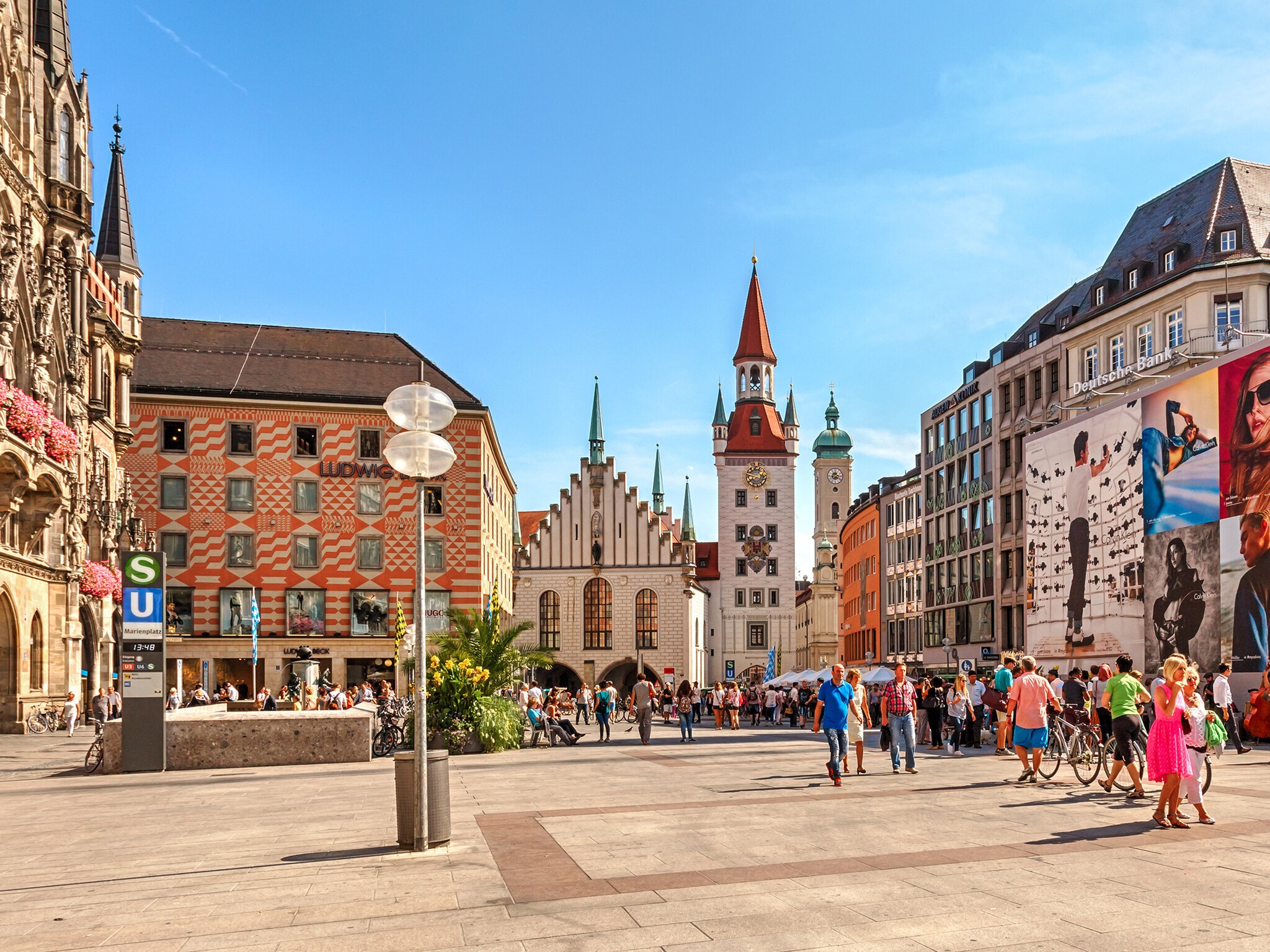
Munich has a reputation that’s easy to picture: beer halls, big squares, and polished museums. That version is real, but it’s only part of the city. If you slow down and move a little away from the obvious stops, Munich starts to feel more local and less predictable.
This guide focuses on places that locals actually use, or spots visitors often miss. These are not remote or hard to reach. They just require a small shift in how you explore the city.
Why Munich Rewards a Curious Traveler
Source: compassroam.com
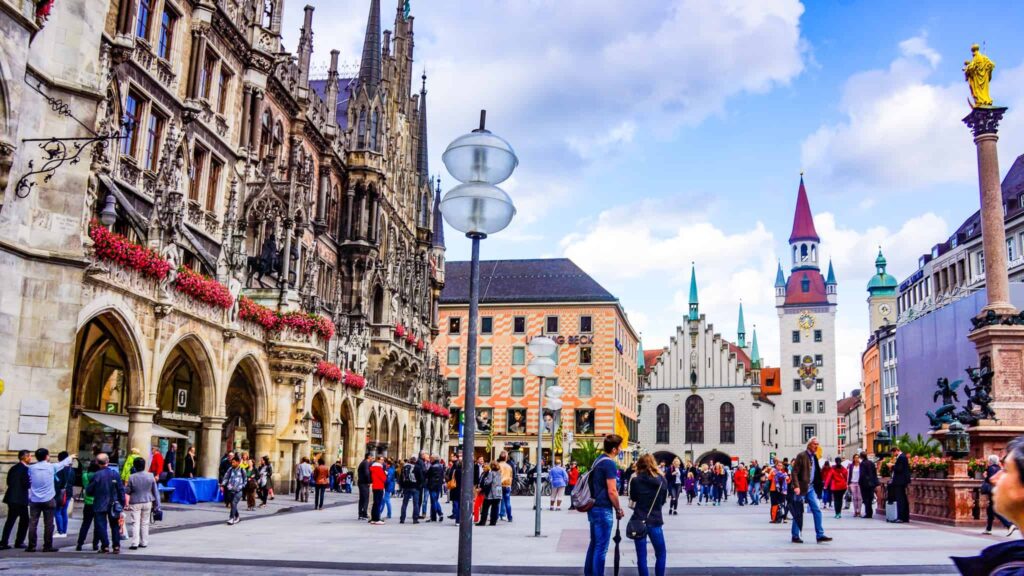
Most visitors follow a tight loop around the historic center, then leave thinking they’ve seen Munich. That approach misses how the city actually works. Munich spreads outward into neighborhoods, parks, and small cultural spaces that feel more lived-in than staged.
If you walk or take a tram just a few stops out, the atmosphere changes quickly. You get quieter streets, local cafés, and parks where people spend full afternoons. That slower pace is part of the city’s character, and it’s where the more interesting experiences sit.
While researching and planning, it’s easy to fall into generic travel advice. If you want something more personal, platforms like Louisa can connect you with locals who know the city in a practical, day-to-day way. That kind of perspective helps you avoid repeating the same routes everyone else follows.
Eisbachwelle and the quieter English Garden
Most people stop at the Eisbach wave, take photos of surfers, and leave. The wave itself is worth seeing. It’s a steady standing wave where experienced surfers ride in the middle of the city, which is unusual anywhere in Europe.
But the better experience starts when you keep walking.
Head north into the English Garden and the crowds thin out within fifteen minutes. The paths widen, the noise drops, and you’ll notice how locals actually use the park. People bring food, sit for hours, and treat it as part of daily life rather than a sightseeing stop.
What to do here:
- Walk past the surfer area without stopping long
- Find a quiet stretch along the water
- Sit for at least 30 minutes instead of rushing
Fact: The English Garden is one of the largest urban parks in the world, which explains how quickly it shifts from crowded to calm.
Westpark and the side of Munich most visitors skip
Source: travelita-blog.com
Westpark doesn’t show up on most short itineraries, and that’s exactly why it works. It was designed for a garden exhibition, so it feels structured but still relaxed.
You’ll find sections that reflect different cultures, small lakes, and wide lawns. It’s the kind of place where you can spend half a day without planning anything specific. Locals come here instead of the busier parks closer to the center.
This is also a good place to reset your pace. Sit, read, or just watch how people use the space. Munich makes more sense when you experience it like this instead of moving quickly from one attraction to the next.
Schloss Blutenburg and a quieter view of history
Munich has major palaces that draw crowds, but Schloss Blutenburg offers something different. It’s smaller, set near water, and doesn’t feel staged for tourism.
The castle dates back to the 15th century and includes a chapel and small museum spaces. What stands out is how accessible it feels. You can walk around the grounds, sit near the water, and explore without time pressure.
There’s also a café nearby, which makes it easy to stay longer than planned. This is the kind of place where history feels part of the present instead of something you observe from a distance.
Museum Lichtspiele and Munich’s local cinema culture
Source: scmp.com
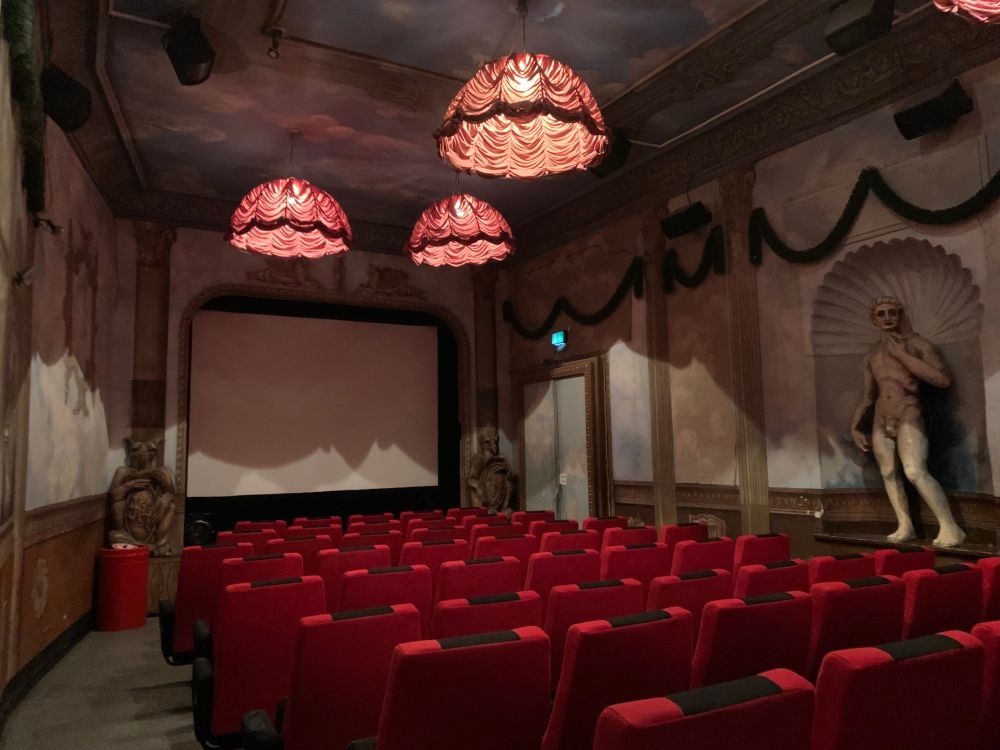
Museum Lichtspiele is one of those places you’d likely miss unless someone points it out. It’s a long-running cinema that shows a mix of films, including older and alternative screenings.
What makes it interesting is not the building itself but the experience. You’re sitting in a space that locals use regularly, not a venue designed for visitors.
If you want to understand how people actually spend their evenings in Munich, this is a simple way to do it.
Good to know:
- Screenings can be in the original language or dubbed
- Tickets are usually affordable
- The atmosphere is informal and relaxed
The Isar River and everyday Munich life
The Isar River cuts through the city and acts as a social space more than a sightseeing spot. On warm days, people gather along the banks to sit, grill, and spend time outdoors.
This isn’t organized or curated. That’s why it works.
Locals often recommend simple activities here, like walking, sitting near Reichenbachbrücke, or bringing food and staying for a few hours.
If you want a version of Munich that feels natural and unplanned, this is one of the best places to experience it.
Did you know
Many Munich residents treat the Isar like a shared backyard, especially in summer, using it for everything from casual meals to long walks.
Neighborhoods that feel more real than central Munich
Source: munich.travel
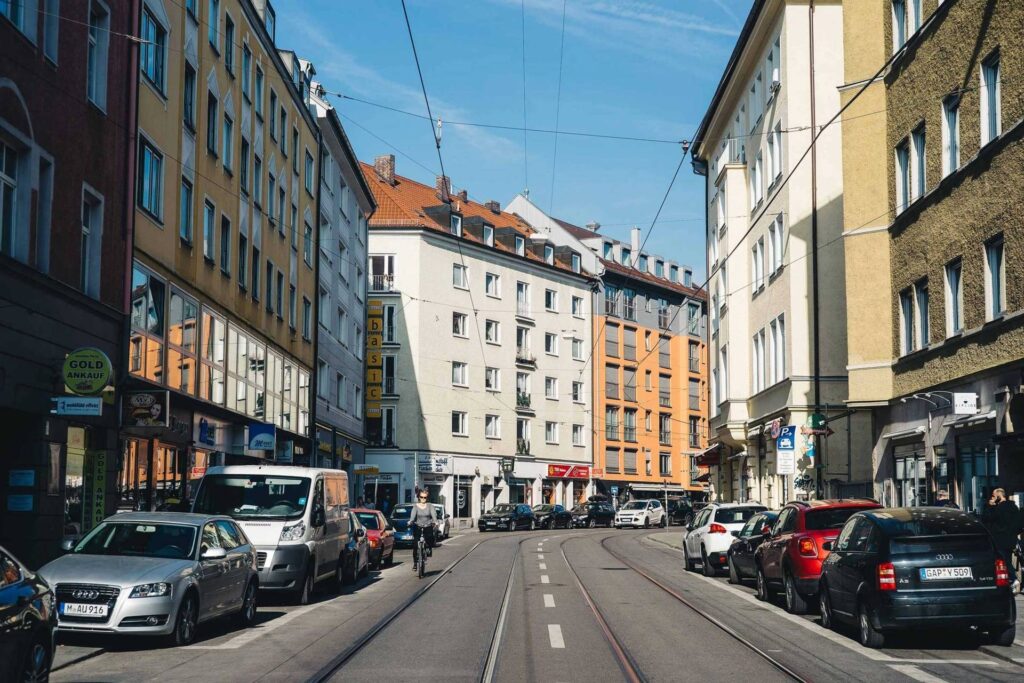
Some of the most interesting parts of Munich are entire neighborhoods rather than single sights.
Areas like Westend or Glockenbachviertel offer small cafés, local shops, and a slower rhythm. These neighborhoods are close to the center but feel very different once you’re there.
Instead of planning specific stops, it’s better to walk without a fixed route. Sit somewhere that looks busy with locals, order something simple, and stay longer than you planned.
That’s where Munich starts to feel less like a checklist and more like a place.
How to plan your time without overplanning
If you try to fit these spots into a tight schedule, you’ll miss what makes them worthwhile. Munich works best when you leave space between activities.
Here’s a simple way to approach a day:
| Time of day | Approach | What to focus on |
| Morning | Start in a quieter park | Walk, sit, observe |
| Midday | Visit one cultural spot | Keep it short and focused |
| Afternoon | Move to a neighborhood | Café or local street |
| Evening | Stay local | River, park, or small venue |
The goal isn’t efficiency. It’s a balance. One planned stop, followed by unstructured time.
Conclusion
Munich doesn’t hide its highlights, but it also doesn’t push its quieter side forward. You have to look for it.
Once you do, the city becomes easier to understand. Parks feel like part of daily life, neighborhoods feel lived-in, and even small places like a cinema or riverside spot start to matter more than the major landmarks.
If you approach Munich with a bit of patience and curiosity, you’ll find that the most memorable parts are often the ones that aren’t advertised.