
Fitness competitions have changed a lot in the past few years. What used to be handwritten score sheets and shouted updates has turned into a fast, data-driven experience. A digital scoreboard system now sits at the center of that shift, keeping athletes, judges, and spectators on the same page in real time.
If you have ever watched a CrossFit event or functional fitness competition, you already know how crucial instant ranking updates are. A well-configured system does not just show numbers. It shapes the entire flow of the event, improves fairness, and keeps the energy high from start to finish.
Why digital scoreboard systems matter in modern fitness competitions
Digital scoreboard systems for fitness competitions are not just a technical upgrade. They solve real problems organizers deal with every time they run an event.
Traditional scoring methods slow everything down. Manual entry leads to delays, confusion, and sometimes errors. Digital systems eliminate most of that by automating updates and displaying results instantly.
Here is where they make the biggest impact:
- Real time ranking keeps athletes aware of their position without waiting for announcements
- Judges can input scores directly, reducing paperwork and mistakes
- Spectators stay engaged because they can follow progress live
- Event organizers get better control over timing and scheduling
A well-built system turns a chaotic competition into something structured and professional. That alone can elevate even a small local event into something that feels high-level.
Core features every digital scoreboard system should include
Source: sustainhealth.fit
When choosing a system, it is easy to get distracted by visuals. What actually matters is functionality. The best systems combine clarity, speed, and flexibility.
Modern platforms typically include:
- Live leaderboard updates that reflect scores instantly across all devices
- Multi-category support for divisions like RX, scaled, masters, or teams
- Custom scoring formats such as points per workout or cumulative ranking
- Mobile compatibility so judges or staff can update scores on the go
- Integration with large displays like LED walls, TVs, or projectors
What stands out is how flexible these tools have become. Many systems now allow control from phones or tablets, so you do not need a central control desk anymore.
That level of flexibility is exactly what makes them practical for both small gyms and large competitions.
Choosing the right software for your event
Software is where everything starts. Hardware matters, but without the right platform, even the best screens will not deliver.
Organizers often choose tools like FitViz because they combine leaderboard management, visual presentation, and live updates in one place, without forcing you into complicated setups.
What makes a difference in real use:
- Clean interface that does not require technical training
- Fast setup so you can configure events quickly
- Reliable cloud performance that handles multiple users at once
- Custom branding options to match your competition style
Some platforms go even further by offering event management tools, including scheduling, athlete tracking, and communication features.
The goal is simple. You want software that works in the background while you focus on running the event.
Display options and hardware setup
Source: linkedin.com
Once the software is in place, the next step is deciding how you will display the scoreboard. This is where many organizers overcomplicate things.
The truth is, you do not always need expensive equipment. Many systems work with existing displays.
Here are the most common options:
- LED walls for large scale competitions and outdoor events
- Big screen TVs for indoor gyms and smaller venues
- Projectors for temporary setups or budget-friendly solutions
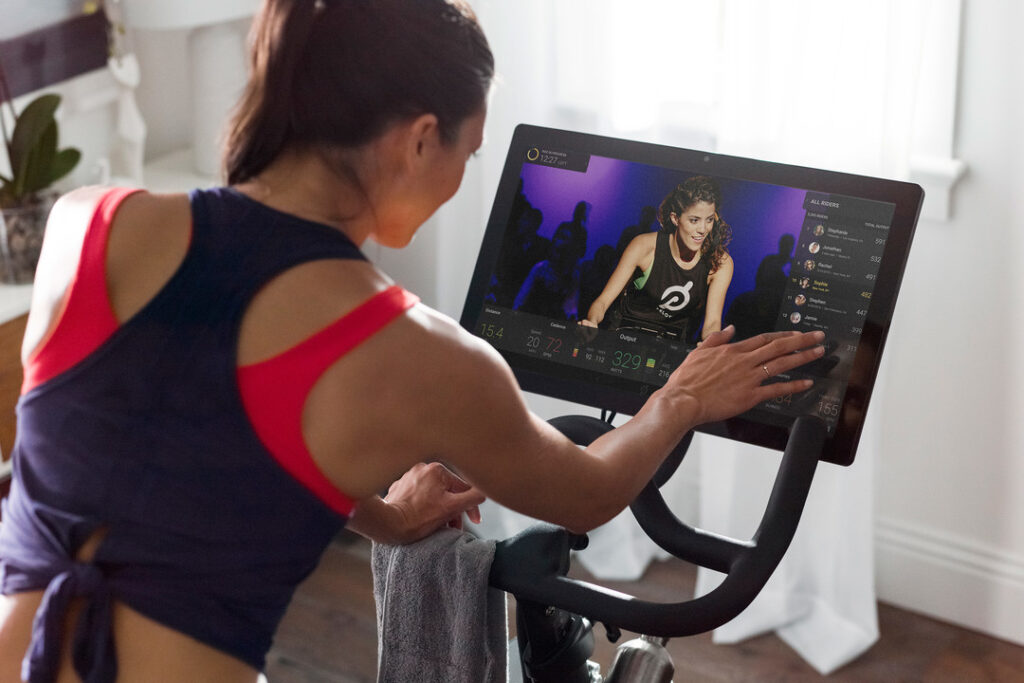
A key advantage today is that many scoreboard platforms run through a simple HDMI connection. You can connect a laptop and instantly turn any screen into a live scoreboard.
This makes setup faster and reduces technical issues during the event.
Step by step setup process for beginners
Setting up a digital scoreboard system may sound complicated, but it is usually more straightforward than expected.
Here is a practical flow you can follow:
- Start by selecting your software and creating the event structure
- Input categories, workouts, and scoring rules
- Connect your display device using HDMI or wireless casting
- Test the scoreboard layout and make sure everything is visible
- Assign judges or staff access for score input
- Run a quick simulation before the event starts
Most modern platforms are designed to be user-friendly, even for people without technical experience.
The biggest mistake people make is skipping the test phase. A short dry run can prevent most issues before they happen.
Advanced features that elevate the competition experience
Source: onepeloton.com
Once the basics are covered, advanced features can take your event to another level. These are not essential, but they make a noticeable difference.
Some systems now include:
- Animated leaderboards that highlight changes in ranking
- Athlete profiles with photos and stats displayed on screen
- Video integration for replays or highlight moments
- Sponsor banners and ads integrated into the scoreboard layout
These features are not just visual extras. They improve engagement and can even generate revenue through sponsorship placements.
Final thoughts
A digital scoreboard system for fitness competitions is no longer optional if you want a smooth and professional event. It brings structure, transparency, and energy to the competition environment.
The key is not to chase the most advanced system available. It is to choose something reliable, easy to use, and suited to your specific event size.
When everything works together, software, display, and team coordination, the scoreboard becomes more than just a screen. It turns into the central hub of your event, keeping everyone aligned and fully engaged from start to finish.
And once you run a competition with a solid system in place, going back to manual scoring simply does not make sense anymore.